In 2026, the global shift toward renewable energy carbon reduction has transformed from a corporate social responsibility goal into a fundamental necessity for UK businesses and homeowners. As the National Grid evolves, understanding the vital link between sustainable power and lowering emissions is the first step toward achieving a Net Zero future. By prioritizing clean energy decarbonization, we can effectively combat climate change while ensuring long-term financial stability in an increasingly eco-conscious market.
The Urgency of Reducing Carbon Emissions
Carbon emissions, primarily in the form of $CO_2$, are the leading driver of global temperature increases. The UK has committed to a legally binding target of Net Zero by 2050, which means the amount of greenhouse gases we emit must be equal to or less than the amount we remove from the atmosphere.
For the average consumer, carbon emissions are most closely tied to how we heat our homes and power our businesses. Fossil fuels (gas and coal) have historically been the backbone of the grid, but their environmental cost is no longer sustainable.
Why Renewable Energy is the Solution
Renewable energy—sourced from wind, solar, hydro, and geothermal—offers a path to power the nation without the heavy carbon footprint. By switching to renewable sources, we can:
- Decarbonize the Grid: Reducing the reliance on gas-fired power stations.
- Enhance Energy Security: Reducing dependence on volatile international gas markets.
- Lower Long-term Costs: As technology matures, solar and wind have become the cheapest forms of new energy generation.
Key Players in the UK Energy Landscape
Navigating the transition requires a partnership between consumers, suppliers, and regulatory bodies. Here is how some of the UK’s leading names are shaping the green future:
The Major Suppliers: Leading the Charge
- British Gas: As the UK’s largest supplier, British Gas has made significant strides in offering “Green Future” tariffs and investing in heat pump technology to help customers move away from traditional gas boilers.
- EDF Energy: As the UK’s largest producer of low-carbon electricity, EDF leverages its nuclear and renewable portfolios to provide carbon-free electricity to millions.
- SSE: A major player in renewable infrastructure, SSE is heavily involved in offshore wind farm development, directly contributing to the “greening” of the National Grid.
- E.ON Next: Focusing on sustainable living, E.ON Next provides 100% renewable electricity as standard for its customers, making it easier for households to reduce their carbon footprint instantly.
Business and Specialist Providers
- Pozitive Energy: Known for its tech-led approach, Pozitive Energy helps businesses monitor their consumption in real-time, which is the first step toward reducing carbon output.
- Yu Energy: Specializing in the business sector, Yu Energy offers renewable energy plans tailored to the high-demand needs of SMEs and larger corporations.
Infrastructure and Regulation
- UK Power Networks: They don’t sell you electricity; they deliver it. As a Distribution Network Operator (DNO), UK Power Networks is responsible for upgrading the cables and substations required to support the surge in Electric Vehicle (EV) chargers and solar panels.
- Ofgem: The government regulator ensures that the transition to green energy is fair. Ofgem sets the rules that suppliers must follow and manages the price cap, protecting consumers while pushing the industry toward Net Zero targets.
How to Make the Switch: The Role of Utilitylinx
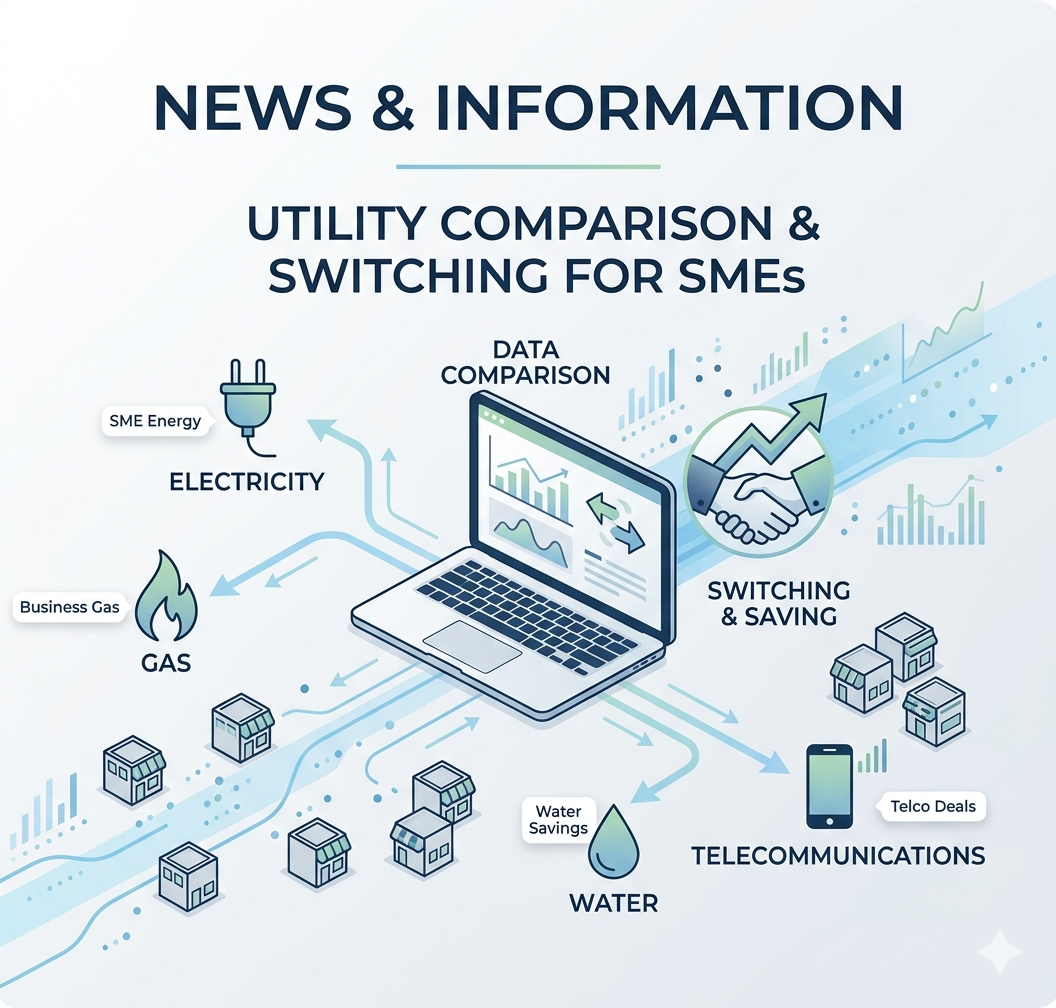
With so many suppliers offering different “green” credentials, it can be difficult for a business to know which path is most cost-effective. This is where Utilitylinx becomes an invaluable resource.
By acting as a bridge between the consumer and the suppliers, Utilitylinx helps businesses compare renewable energy quotes from providers like SSE, British Gas, and Pozitive Energy. This ensures that companies aren’t just reducing their carbon emissions, but are doing so at a price point that supports their bottom line.
Actionable Steps to Reduce Your Carbon Footprint
- Audit Your Usage: You cannot manage what you do not measure. Use smart meters and data tools provided by suppliers like Yu Energy or Pozitive Energy.
- Upgrade Infrastructure: Work with UK Power Networks to ensure your premises can handle solar installations or EV charging points.
- Switch to Renewable Tariffs: Use Utilitylinx to find the best green rates from EDF Energy or E.ON Next.
- Monitor Compliance: Keep an eye on Ofgem updates to ensure your business remains compliant with evolving environmental regulations and “green” reporting requirements.
Conclusion: A Greener Bottom Line
The importance of renewable energy and the reduction of carbon emissions is no longer a peripheral issue. It is the core of how we will live and work for the next century. By leveraging the expertise of established suppliers and utilizing comparison services like Utilitylinx, you can ensure your transition to a low-carbon future is seamless, affordable, and impactful.Ready to reduce your emissions? Compare the UK’s leading renewable energy providers today and take the first step toward a sustainable future.